

How Multi-Storey Steel Buildings is Accelerating Urban Development in Africa

Africa’s Urbanization Challenge—and Opportunity

Africa is urbanizing faster than any other continent. By 2050, over half of its population is expected to live in cities, creating immense pressure on housing, infrastructure, and commercial space. Across rapidly growing cities in Kenya, Uganda, Tanzania, Rwanda, Zambia, Burundi, Malawi, Namibia, Ethiopia, Mozambique, Angola, Botswana, DRC, South Sudan, and Zimbabwe, more people are migrating toward urban centres in search of economic opportunities.

Yet, much of Africa’s future infrastructure is still to be built, presenting a once-in-a-generation opportunity to shape sustainable, efficient urban environments. Traditional construction methods, primarily reliant on concrete, are struggling to keep pace. These approaches often involve lengthy timelines, high labour costs, and logistical inefficiencies that delay project delivery.

In rapidly growing cities, these challenges can significantly slow down urban development in Africa. This is where multi-storey steel buildings in Africa emerge as a game-changing solution. With projects in over 15 countries across Africa, Zenith Steel Fabricators Ltd is playing a pivotal role in this transformation by providing structural steel fabrication in Kenya to meet the continent’s evolving infrastructure needs.

Why Multi-Storey Steel Buildings in Africa Are Transforming Urban Construction

  1. Faster Construction Timelines
 

In cities where time equals economic opportunity, prefabricated steel buildings significantly outperform conventional methods. Multi-storey steel buildings leverage prefabrication and modular construction, enabling:

  • Accelerated project delivery: Up to 30–50% faster project completion compared to conventional concrete.
  • Reduced on-site work: Unlike traditional construction, which requires extensive curing and manual labour, steel structures can be assembled quickly.
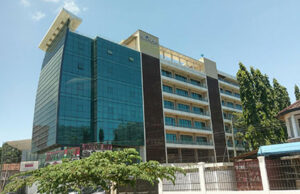
steel structures - steel multi storey
 
  1. Efficient Land Use in Urban Areas
 

As African cities grow, land prices in urban centres continue to rise. Horizontal expansion is no longer sustainable. Multi-storey steel buildings allow developers to build upwards instead of outwards, maximizing land use.

This makes commercial steel buildings a cornerstone of sustainable city planning in Africa. Key advantages:

  • Efficient space utilization in high-density areas
  • Larger open floor plans with fewer columns
  • Flexible layouts for mixed-use developments
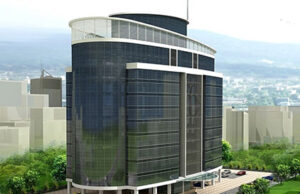
steel structure - steel multi storey

Vertical steel construction supports:

  • High-rise residential housing
  • Commercial office hubs
  • Mixed-use developments (retail + residential + office)
 
  1. Structural Strength and Safety
 

Steel offers unmatched structural advantages:

  • High strength-to-weight ratio: Steel structures can support heavy loads while maintaining a lighter overall weight.
  • Resilience: They perform well under environmental stress, including wind and seismic activity.
  • Compliance: Steel buildings are designed to meet modern engineering and safety standards.
 

For developers prioritizing durability and safety, steel structures in Africa provide a reliable long-term solution. Resilient buildings are essential for long-term urban stability and economic sustainability.

Key Advantages of Multi-Storey Steel Buildings

  1. Flexibility in Architectural Design
 

Modern cities require buildings that are adaptable, aesthetically appealing, and multi-functional. This includes:

  • Longer spans: Steel allows for wide, open interiors without excessive columns.
  • Creative freedom: Architects can design innovative layouts and striking exteriors.
  • Future adaptability: Buildings can be easily modified, expanded, or repurposed.

For example, buildings can be repurposed over time, offices converted into residential units without major structural changes. This flexibility is especially valuable in dynamic urban environments where needs evolve quickly.

  1. Sustainability and Environmental Benefits
 

Sustainability is becoming a central focus in modern steel construction because urban growth without sustainability leads to increased emissions, higher energy consumption, and environmental degradation. Multi-storey steel buildings are inherently sustainable:

  • Recyclability: Steel is one of the most recyclable materials in construction.
  • Reduced waste: Precision fabrication minimizes material wastage.
  • Energy efficiency: Controlled production processes reduce energy consumption.
 

Steel construction aligns with ESG (Environmental, Social, Governance) goals, making it attractive to global investors and development partners. As African cities aim to align with global sustainability goals, steel frame buildings in Africa provide an eco-conscious alternative.


  1. Cost Efficiency: Building More with Less
 

While initial costs can vary, steel buildings often prove more economical over time:

  • Reduced labour costs due to prefabrication
  • Minimal material waste
  • Lower foundation costs due to lighter structures
 

Steel buildings can reduce overall project costs by up to 30%, making them highly attractive in cost-sensitive African markets. Cost efficiency enables affordable housing development, expansion of commercial infrastructure, and increased investor participation in real estate.

Steel enables capital efficiency at scale, a critical factor in emerging economies where funding constraints often limit development.


  1. Accelerating Industrial and Economic Growth
 

Urban development is directly linked to economic growth. Faster, affordable, and scalable construction enables:

  • Industrial parks
  • Logistics hubs
  • Commercial centres
 

Multi-storey steel buildings support rapid industrial expansion, efficient warehousing and manufacturing, and scalable business infrastructure.

Steel construction acts as a force multiplier for economic development, enabling faster industrialization across African economies.

Applications of Multi-Storey Steel Buildings in African Cities

       1. Commercial Developments


Steel is widely used in:

  • Office complexes and corporate headquarters
  • Shopping malls and retail centers
  • Hospitality and mixed-use developments
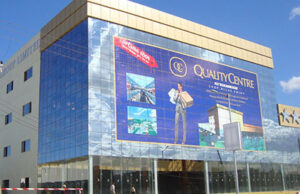
Shopping mall - steel multi storey


These structures benefit from the speed and flexibility of commercial steel buildings. Zenith Steel has delivered modern steel buildings in Kenya and Tanzania for such as Sifa Towers and Quality Centre respectively.

       2. Industrial and Logistics Facilities


Urban industrialization is driving demand for:

  • Multi-level warehouses
  • Manufacturing plants
  • Distribution hubs
 

Steel enables efficient vertical logistics solutions in space-constrained cities.

       3. Residential and Institutional Buildings


Steel is increasingly used in:

  • High-density apartment complexes
  • Universities and educational campuses
  • Hospitals and healthcare facilities
 

This makes steel structures in Africa essential for both economic and social infrastructure.

How Zenith Steel Fabrication supports Urban Infrastructure Development

  1. Precision Engineering in Structural Steel
 

Zenith Steel utilizes:

  • CNC machines and advanced computer-aided design (CAD) for precision fabrication
  • Streamlined production processes
  • Scalable solutions for diverse project sizes
 

This ensures efficiency across all phases of construction.

  1. Commitment to Quality and Reliability
 

Quality is central to every project:

  • Strict quality control standards
  • Durable materials for long-term performance
  • Compliance with industry benchmarks
 

This reliability makes Zenith Steel a trusted partner in structural steel fabrication in Kenya.

  1. Expertise in Structural Steel Fabrication
 

Zenith Steel Fabricators delivers:

  • High-quality steel frames and components
  • Engineering solutions for complex structures
  • Reliable support for large-scale developments
 
  1. Supporting Africa’s Growing Urban Landscape
 

Zenith Steel collaborates with:

  • Developers
  • Contractors
  • Architects and engineers
 

By delivering tailored solutions, the company actively contributes to urban development construction in Africa. Zenith Steel is not just building structures, it is helping shape the future of African cities.

Key Considerations When Planning Multi-Storey Steel Buildings

To maximize success, developers should focus on:

  • Structural design and load calculations
  • Compliance with local building regulations
  • Collaboration between architects, engineers, and fabricators
  • Choosing experienced steel fabrication partners
 

Careful planning ensures that projects fully leverage the benefits of multi-storey steel buildings.

Conclusion

Africa’s urban future depends on construction methods that are fast, scalable, and sustainable. Multi-storey steel buildings offer a compelling, scalable solution to the continent’s most pressing challenges, housing shortages, infrastructure gaps, and sustainability concerns.

From commercial steel buildings to high-density residential complexes, steel structures in Africa are reshaping the urban skyline. And with the support of industry leaders like Zenith Steel Fabricators, developers can confidently embrace modern steel construction to build smarter, faster, and more resilient cities.

Ready to be part of Africa’s next urban revolution? Contact Zenith Steel Fabricators today and build the future of urban Africa with steel.

Frequently Asked Questions

What are multi-storey steel buildings?

Structures with two or more floors using a steel framework, widely used for commercial, industrial, and residential purposes.

How do multi-storey steel buildings support urban development?

Faster construction, high-density land use, and mixed-use design make them ideal for growing urban areas.

Are multi-storey steel buildings earthquake resistant?

Steel is inherently ductile and absorbs seismic energy, making properly designed steel buildings highly resistant.

What is the typical construction timeline?

30 to 50 percent faster than traditional concrete, with many projects completed within 6 to 12 months.

Leave a Reply

Your email address will not be published. Required fields are marked *