

How Does Waste Reduction in Steel Fabrication Impact Project Costs?

Why Waste Reduction in Steel Fabrication is the New Competitive Advantage

Across the global construction and manufacturing sectors, steel fabrication plays a central role in building infrastructure, commercial buildings, warehouses, and industrial facilities. Since steel fabrication often account for a large portion of project costs due to raw material usage, labor, transportation, and fabrication time, material efficiency has emerged as a major factor influencing profitability.

Waste during steel fabrication can occur through inefficient cutting, poor design coordination, or rework, directly increasing steel project costs. As a result, every kilogram of wasted steel has an immediate effect on the total cost of construction projects. Industry research suggest that construction waste can account for up to 30% of the total project costs, which means that inefficient use of materials can lead to significant budget expansion.

This is why steel fabrication waste reduction becomes a critical strategic priority. For a leading industrial steel fabricator in Kenya, Zenith Steel Fabricators Ltd, is using advanced manufacturing systems, digital design tools, and lean production techniques to reduce waste and enhance maximizing project value.

For companies seeking to lower steel projects cost savings, waste reduction is no longer just a sustainability initiative, it’s a strategic advantage. It is a fundamental financial approach that not only improves cost control but also enhances operational efficiency and long-term project performance.

What waste reduction in steel fabrication means​

Waste reduction in steel fabrication is the practice of minimizing unused materials, energy loss, and inefficiencies through the fabrication and assembly of steel components. In steel fabrication, waste can occur in several ways.

Main areas of waste in steel fabrication

Traditional fabrication methods often relied on manual measurements, trial and error cutting, and on-site adjustments. Although this methods worked in the past, it led to:

  • Excess scrap metal
  • Higher labor costs
  • Longer project timelines
  • Environmental degradation
 

Understanding where the waste occurs is a critical step toward implementing effective waste reduction strategies. These areas include:

      1. Cutting and Material Planning

One of the most common sources of waste is inefficient sheet layout in cutting operations. If steel sheets or plates are arranged poorly before cutting, this can lead to large offcuts that cannot be used in other parts of the project.

Advanced nesting technology allows engineers to arrange cutting patterns to maximize material usage while minimizing scrap. 

       2. Design and Production Errors

Errors during the design stage may cause expensive fabrication problems.

Some examples are:

  • Incorrect measurements
  •       Structural design changes mid-production
  •       Miscommunication between engineers and fabricators
 

Very often, fabricated components that do not meet project specifications leads to material wastage and increase in labor cost.

Digital design software helps engineers to virtually test an entire structure even before fabrication begins.

       3. Fabrication and Handling

Even if the components are fabricated correctly, waste can occur during transportation, storage, or installation. Improper handling may cause:

  •         Structural damage
  •         Surface corrosion
  •        Warping or bending of steel components
 

Proper storage systems and safe material handling methods are important for protecting fabricated steel structures.

        4. Overproduction and Inventory Waste

Another common challenge is overproduction. When fabrication teams produce more components than what is actually needed, excess inventory can accumulate. These unused components go obsolete or become unsuitable for use in future projects.

Effective project coordination and material planning help eliminate unnecessary production.

When these factors accumulate across large-scale infrastructure or industrial projects, they can dramatically impact profitability. For Zenith Steel’s projects in over 15 countries across Africa such as Kenya, Burundi, Mozambique, Tanzania, Zimbabwe, Zambia, Rwanda, Uganda, Botswana, DRC, Malawi, South Sudan, Namibia, Ethiopia, and Angola, even small improvements in fabrication efficiency can save thousands of shillings in materials and labor.

Why waste reduction is important in steel projects

Steel fabrication waste is generated from different stages of steel production from design to planning, cutting, welding, and installation. To maintain profitability and project viability, waste reduction is essential.

Waste reduction in steel fabrication results in:

        1. Controlled Material Costs

Steel represents one of the largest cost components in fabrication projects. Structural steel beams, plates, and sheets are expensive, and any unnecessary waste will directly increase procurement costs.

Without careful planning, it can lead to significant material waste, forcing contractors to purchase additional steel.

By adopting efficient steel fabrication strategies, manufacturers can maximize material usage and minimize unnecessary procurement.

        2. Enhanced Project Efficiency

Waste reduction plays a key role in project efficiency. When materials are well utilized and fabrication processes are streamlined:

  • Production delays are reduced
  • Rework and corrections become less frequent
  • Fabrication timelines will become more predictable
 

Efficient steel fabrication workflows ensure that projects move smoothly from design to production and to installation without a glitch.

For contractors and developers, this translates to faster project delivery and lower operation cost.

        3. Sustainable construction

In addition to financial implications, waste reduction contributes majorly to sustainable construction practices. Scrap metal and unused materials are lost resources and unnecessary environmental impact. Reducing waste will result in:

  • Lower consumption of raw materials
  • Reduced energy usage during production
  • Less industrial scrap requiring recycling or disposal. 
 
For Zenith Steel, scrap generated during fabrication is usually collected and either reused for smaller components (such as washer plates or stiffener plates) or sold to recycling companies for reuse in their production.
 

Steel fabrication efficiency plays a significant role in modern infrastructure development making it essential for environmentally responsible projects. This aligns with the increased demand for green infrastructure and sustainable building solutions across Africa and globally.

Technologies and Practices That Reduce Waste

Zenith Steel has implemented modern technologies and practices to improve steel fabrication efficiency and waste reduction. They include:

         1. Precision Engineering and CAD Design

Design inaccuracies often lead to fabrication errors that require costly corrections. Technologies such as Building Information Modeling (BIM) and Computer-Aided Design (CAD) software such as AutoCAD allows engineers to create accurate digital models before fabrication begins.
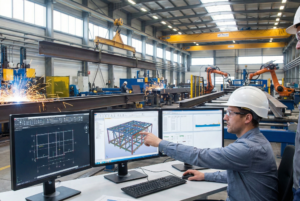
Benefits include:

  • Precise measurements
  • Simulation of structural performance
  • Identification of design conflicts at the earliest stage
 

The level of accuracy significantly reduces fabrication errors and prevents costly rework. For complex projects such as bridges, factories, and structural steel frameworks, these improvements can save millions in project costs.


         2. Optimized Cutting and Drilling Techniques

Steel is one of the most expensive inputs in construction projects. Even small reductions in scrap can create substantial savings. Automated fabrication equipment plays a major role in efficient steel fabrication.
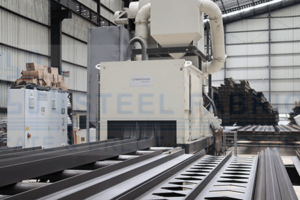
Zenith steel fabricator shot blasting machine

Technologies such as CNC machines provide:

  • Precision cutting
  • Automated drilling and punching
  • Consistent manufacturing quality
 

These machines maximize sheet utilization and ensure minimal offcuts during production. This results in:

  • Lower raw material consumption
  • Reduced scrap metal
  • Higher yield per steel sheet


          3. Lean Manufacturing Processes

Lean manufacturing principles focus on eliminating inefficiencies across the entire production process. Key elements include:

  • Workflow optimization
  • Continuous process improvement
  • Data-driven production planning
 

By adopting lean strategies, fabrication companies can significantly reduce waste while improving productivity. For clients, this translates into lower project costs, faster delivery, and improved reliability.


         4. Prefabrication and Controlled Manufacturing

Prefabrication, where steel components are fabricated off-site in a controlled environment, has become one of the most powerful tools for reducing waste.
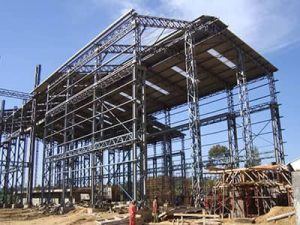
Sugar factory by zenith steel

Studies show that prefabrication can reduce construction waste by up to 30% compared to traditional on-site construction methods. Controlled factory environments enable:

  • Precise cutting and assembly
  • Better quality control
  • Reduced material damage
  • Faster installation on site
 

Zenith Steel Fabricators Ltd with advanced fabrication facility, benefits from these efficiencies by delivering projects faster and more cost-effectively.

         5. Skilled Fabrication Teams

Technology alone cannot eliminate waste. Skilled technicians and engineers are essential for ensuring accurate fabrication and quality control.

Experienced teams help prevent:

  • Measurement errors
  • Improper welding
  • Incorrect assembly of structural components
 

The combination of advanced technology and skilled craftsmanship ensures consistent fabrication excellence.

How Zenith Steel Fabricators Leads in Waste-Efficient Fabrication

Modern waste reduction strategies in steel fabrication focus on precision and planning. As a leader in industrial steel fabrication in Kenya, Zenith Steel Fabricators integrates multiple strategies to ensure efficient material usage and minimize waste. Zenith Steel’s fabrication processes incorporate several innovations that directly reduce waste, including:

         1. Automated CNC Processing

Zenith steel utilizes state-of-the-art fabrication equipment, including Computer Numerical Control (CNC) which allow highly accurate cutting and drilling of steel components. Benefits include:

  • Reduced human error
  • Minimal offcuts
  • Consistent component accuracy
 

These systems significantly improve material efficiency during fabrication.

        2. Digital Modeling and Structural Design

Zenith Steel engineers use advanced structural modeling tools such as Tekla and GSA Oasys to optimize fabrication processes before production begins.

These tools allow teams to:

  • Simulate fabrication sequences
  • Predict material usage
  • Optimize structural designs
 

The result is less over-engineering, fewer design changes, and reduced fabrication waste.

         3. Integrated Steel Fabrication Workflows

Modern steel fabrication increasingly relies on integrated digital systems that connect design, production, and project management. Zenith Steel integrates ZSF, an internal software that provide seamless coordination of projects across various teams.

By linking fabrication machinery directly to digital models, manufacturers can:

  • Automatically generate fabrication instructions
  • Optimize material nesting
  • Reduce manual errors
 

This integrated approach ensures that projects move efficiently from design to fabrication to erection.

         4. Quality Control Systems

Quality control is integrated into every stage of the fabrication process. Regular inspections during production ensure that:

  • Components meet design specifications
  • Errors are detected early
  • Rework and material loss are minimized
 

This approach helps maintain high fabrication standards while protecting project budgets.

Best Practices for Reducing Waste in Steel Projects

Organizations seeking cost reduction in construction projects should consider the following strategies:

  • Plan fabrication early during the design stage
  • Partner with experienced steel fabricators like Zenith Steel Fabricators Ltd
  • Use digital modeling and accurate measurements
  • Implement strict material handling procedures
  • Adopt modern fabrication technologies
 

These best practices ensure efficient material usage and reduce unnecessary project costs. Zenith Steel Fabricators stands out as a trusted partner because of its engineering expertise, advanced fabrication technology, and commitment to efficiency-driven manufacturing.

Conclusion

In today’s construction and manufacturing landscape, waste reduction is both an economic necessity and a sustainability strategy.

By improving design accuracy, optimizing material usage, and leveraging automated fabrication technologies, steel manufacturers can significantly reduce project costs while delivering stronger and more reliable structures.

As a leading industrial steel fabrication in Kenya, Zenith Steel Fabricators Ltd continue to push the boundaries of precision steel fabrication, helping developers, engineers, and contractors complete projects faster and more efficiently. As construction demands grow across infrastructure, industrial, and commercial sectors, steel fabrication waste reduction will remain essential for building smarter and more sustainable projects.

Visit Zenith Steel Fabricators Ltd website or contact our team to learn more about high-quality steel fabrication solutions designed for modern construction.

Frequently Asked Questions

How does waste reduction lower fabrication costs?

By minimizing material purchases, disposal fees, rework, and improving production efficiency.

What is nesting technology?

Software algorithms arranging cutting patterns to maximize material usage, reducing waste by 10 to 15 percent.

How does BIM reduce waste?

Precise 3D models optimize quantities, detect clashes, and reduce on-site modifications.

What is lean manufacturing in steel fabrication?

A systematic approach to eliminating waste through just-in-time delivery, standardized procedures, and continuous improvement.

Leave a Reply

Your email address will not be published. Required fields are marked *