Recyclability of Steel: Why It’s a Core Material for Green Building Solutions

The Shift Toward Sustainable Construction

The construction industry is responsible for nearly 40% of global carbon emissions, making sustainability essential. Governments, developers, and investors are under pressure to reduce carbon emissions, minimize waste, and adopt green building solutions that meet global ESG standards. This global shift has sparked a growing demand for green building materials, and one material consistently stands out: steel.

The recyclability of steel in green building is transforming how modern infrastructure is designed and constructed. With projects in over 15 countries across Africa (Kenya, Uganda, Tanzania, Rwanda, South Sudan, Malawi, Mozambique, Namibia, Angola, DRC, Burundi, Botswana, Zambia, Zimbabwe,  and Ethiopia), Zenith Steel Fabricators Ltd is at the forefront of providing sustainable, durable, and future-ready structural solutions.

This article explores why the recyclability of steel makes it one of the most important materials for green building, and why developers are increasingly choosing steel fabrication partners that combine sustainability with advanced manufacturing.

The Global Shift Toward Green Building

Traditional materials like timber and concrete present long-term sustainability challenges. Timber contributes to deforestation, while concrete production emits large amounts of CO₂. As urbanization accelerates across Africa, the pressure to build faster and greener is increasing.

Key trends driving green construction:

  • Government sustainability regulations and green certifications
  • Investor demand for ESG-compliant projects
  • Rising energy and material costs
  • Climate change and resource scarcity
 

Developers now prioritize materials that support:

  • Lower lifecycle emissions
  • Reduced construction waste
  • Energy efficiency
  • Long-term durability
 

Steel checks all these boxes.

The Engineering Logic Behind Recyclable Steel in Green Building

Steel production combines iron ore, recycled scrap steel, and energy-efficient manufacturing techniques. The process focuses on optimizing durability and reducing material waste.

The sustainability advantage begins even before fabrication:

  • Scrap steel from demolished structures is collected and repurposed
  • Steel is cleaned, strengthened , and polished through the shot blasting process and reformed into new structural components
  • Precision engineering reduces waste during fabrication
  • Finished components are designed for long life and reuse
 

At modern fabrication plants like Zenith Steel Fabricators, combine automation, BIM modeling, and CNC manufacturing to enhance sustainability.

Zenith Steel’s investment in advanced fabrication technology positions the company as a partner for future-ready, eco-conscious projects.

Why Steel Is the Most Recyclable Construction Material

Steel is one of the most versatile and durable construction materials used worldwide.

  1. Steel Is Infinitely Recyclable
 

Unlike many construction materials, steel can be recycled repeatedly without losing strength or quality.

This means:

  • No degradation in performance
  • No loss in structural integrity
  • No limitation on reuse cycles
 

Globally, steel has one of the highest recycling rates of any material, making it a cornerstone of circular economy construction.

  1. Steel Reduces Construction Waste
 

Traditional building methods generate enormous waste from:

  • Excess materials
  • On-site cutting and shaping
  • Demolition debris
 

Steel fabrication changes the equation.

Modern fabrication plants use precision CNC cutting, digital modeling, and automated manufacturing to produce components that arrive ready for installation. Benefits include:

  • Minimal material waste
  • Faster project timelines
  • Reduced landfill impact
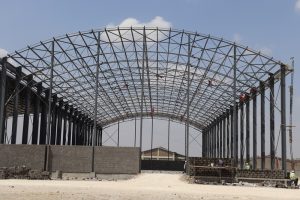
Large steel structure under construction
  1. Steel Enables Prefabrication and Modular Construction
 

Prefabrication is a major pillar of green building solutions. Steel structures can be:

  • Fabricated off-site
  • Transported efficiently
  • Assembled quickly on-site

This approach reduces:

  • Energy consumption
  • Noise pollution
  • Construction timelines
  • On-site emissions
 

Steel’s strength-to-weight ratio makes it ideal for modular construction, multi-storey buildings, warehouses, and industrial structures.


  1. Energy Efficiency and Thermal Performance
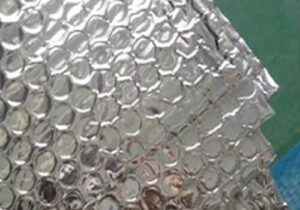
Zen Thermal Membrane suppliers in Kenya

Steel plays a major role in energy-efficient buildings. When combined with solutions like:

  • Thermal membranes
  • Insulated roofing systems
  • Solar power integration
 

Steel buildings can significantly reduce energy consumption.

Zenith Steel’s solutions such as Zen Thermal Membranes and roofing systems support better insulation and temperature control, key requirements for green buildings in warm climates like Kenya.


  1. Circular Economy in Action: Reuse, Repurpose, Rebuild
 

Steel structures are not only recyclable, they are reusable. When buildings reach the end of their life cycle:

  • Steel beams can be reused
  • Components can be repurposed
  • Materials can be recycled into new projects
 

This aligns perfectly with circular economy construction, where materials remain in use for as long as possible.


  1. Steel and Renewable Energy Integration

Solar energy solutions 

Steel is essential for renewable infrastructure:

  • Solar panel mounting structures
  • Industrial roofing systems
  • Energy-efficient factories
 

Solutions like Zen Solar demonstrate how steel fabrication supports the transition to renewable energy construction.

This synergy strengthens steel’s role as a core material for sustainable infrastructure.

Why Developers Are Choosing Steel for Green Projects

Strategic Advantages of Steel Construction

Developers benefit from:

  • Faster project completion
  • Reduced lifecycle costs
  • Lower environmental impact
  • Higher resale and asset value
  • Compliance with sustainability standards
 

Steel construction is no longer just an engineering choice, it’s a business strategy.

Kenya’s Opportunity: Leading Green Construction in Africa

East Africa is experiencing rapid urbanization. The region has a unique opportunity to adopt sustainable construction practices early, avoiding the high environmental costs seen elsewhere.

Steel fabrication companies play a crucial role in this transition by providing:

  • Efficient structural solutions
  • Sustainable infrastructure materials
  • Scalable building systems
 

Zenith Steel Fabricators stands ready to support this shift with modern, high-quality steel solutions.

The Future of Sustainable Construction Is Steel

Key trends shaping the future:

  • Smart cities and green infrastructure
  • Prefabricated modular buildings
  • Renewable energy integration
  • Data-driven construction
 

Steel sits at the center of all these trends.

Conclusion

Sustainability is reshaping the construction industry, and the recyclability of steel in green building makes it one of the most sustainable materials. Its durability, reusability, and compatibility with digital fabrication enable greener, smarter, and more efficient buildings.

As Kenya and Africa continue to grow, the demand for sustainable steel fabrication will only increase. Zenith Steel Fabricators continues to play a pivotal role in delivering sustainable steel fabrication across Africa, helping shape a greener future for the region’s infrastructure.

Ready to build smarter and greener? Contact Zenith Steel today to discuss your next green building project.

Frequently Asked Questions

Is steel 100% recyclable?

Yes, steel can be recycled repeatedly without losing structural properties.

How does recycling steel reduce carbon emissions?

Recycling uses approximately 74 percent less energy than producing new steel from iron ore.

What percentage of construction steel is recycled?

Over 85 percent of structural steel is recovered and recycled at end of life.

How does Zenith Steel incorporate sustainability?

Through locally sourced materials, energy-efficient fabrication, and designs for disassembly and recycling.

Leave a Reply

Your email address will not be published. Required fields are marked *