

Pallet Racking and Warehouse Design for Kampala’s Growing Logistics Sector
Kampala is rapidly evolving into one of East and Central Africa’s most strategic logistics gateways. As Uganda strengthens trade corridors into DRC, South Sudan, Rwanda, Burundi, and western Kenya, the city is seeing a structural rise in demand for high-performance warehousing, pallet racking systems, and steel storage infrastructure.
For FMCG distributors, logistics providers, pharmaceutical importers, industrial suppliers, and regional exporters, warehouse design is no longer just a real-estate decision, it is now a supply chain strategy.
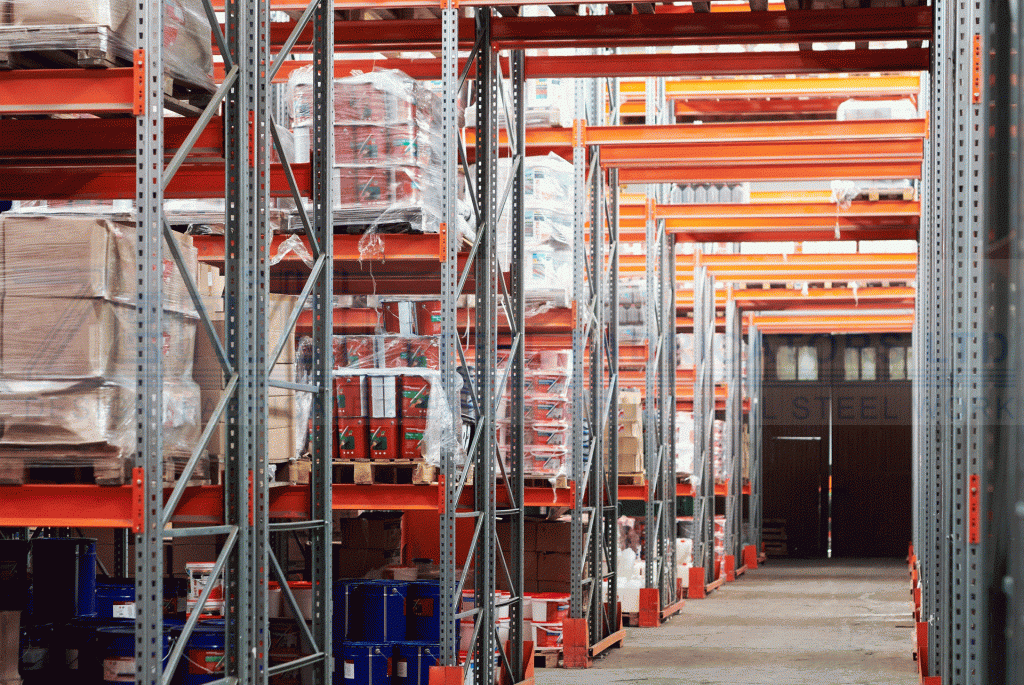
The core challenge is this: many warehouses in Kampala still operate with poor vertical utilization, weak floor slab engineering, and little or no pallet racking integration. This creates avoidable problems in storage density, forklift movement, dispatch speed, and inventory accuracy.
The highest-performing logistics operators are shifting toward purpose-built steel warehouses with integrated pallet racking systems, where the structural frame, floor loads, lighting, loading bays, and future expansion plans are designed as one ecosystem.
This is where Zenith Steel’s warehouse structures, Zen Racks, and portal frame steel systems create measurable operational advantage across Uganda and East Africa.
Why Kampala’s Logistics Sector Needs Smarter Warehouse Infrastructure
Uganda’s geographic position makes Kampala a natural transit and redistribution hub for landlocked regional markets. As goods move from Mombasa through Kenya into Uganda and onward into DRC and South Sudan, warehousing facilities in Kampala increasingly need to support:
- Faster inbound and outbound turnaround
- Higher SKU (Stock Keeping Unit) complexity
- Better cold-chain and FMCG segregation
- Safer forklift operations
- More pallet positions within the same footprint
- Lower product damage rates
- Better warehouse scalability
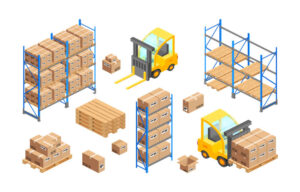
The hidden cost in many Kampala warehouses is floor stacking. While floor stacking may appear low-cost initially, it often leads to:
- Wasted vertical space
- Slower picking cycles
- Higher labor costs
- Stock misplacement
- Aisle congestion
- Safety risks
- Limited future automation readiness
A steel warehouse designed around pallet racking from day one solves these inefficiencies while increasing ROI per square metre.
Best Pallet Racking Systems for Warehouses in Kampala
1) Conventional Pallet Racking: Best for FMCG and Multi-SKU Warehousing
Conventional pallet racking remains the most versatile warehouse storage system for Kampala’s fast-moving distribution environment.

It is ideal for:
- FMCG distributors
- Pharmaceutical importers
- General merchandise wholesalers
- Spare parts warehouses
- Retail replenishment hubs
Strategic benefit: Every pallet remains directly accessible, reducing retrieval time and improving stock visibility.
Zenith Steel’s pallet racking systems are especially effective where businesses need high SKU diversity with fast dispatch cycles.
2) Drive-In Racking: Maximum Density for Bulk Inventory
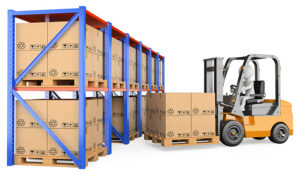
For beverage distributors, agro-input suppliers, cement depots, and building material hubs, drive-in racking creates superior storage density.
Best for
- Large quantities of similar products
- Lower SKU complexity
- High pallet volume
- Seasonal agricultural stock
- Industrial bulk materials
This system reduces aisle requirements and maximizes cubic storage efficiency.
3) Cantilever Racking: Long Materials and Industrial Storage
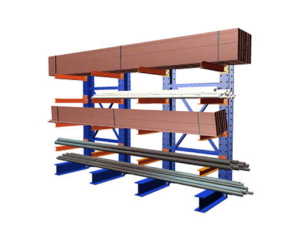
For steel sections, timber, pipes, tubing, and long-format hardware, cantilever pallet racking is the most operationally efficient system.
This is particularly relevant in Kampala’s:
- Industrial areas
- Hardware distribution zones
- Steel service centers
- Construction supply depots
Zenith Steel’s cantilever systems are engineered specifically for long-load optimization, safer handling, and better vertical storage utilization.
Cost Drivers for Warehouse Racking in Uganda
The most effective warehouses are designed with the racking layout as the starting point.
- Clear height: Aim for sufficient eave height to allow multiple levels of standard pallet racking.
- Floor slab: Must be designed for the concentrated point loads of racking uprights plus the dynamic loads of forklifts. A properly engineered reinforced concrete floor slab is required.
- Column grid: The building’s structural columns must align with the racking layout – ideally between racking rows, not in the middle of aisles.
- Loading docks: Position docks to create efficient flow from receiving to storage to dispatch.
- Lighting: High-bay LED lighting should be positioned between racking rows, not above them, to illuminate aisles effectively.
- Regional Transport and Installation – Because many high-quality racking systems are regionally fabricated and delivered into Uganda, logistics costs must be planned early.
Common Mistakes in Kampala Warehouse Projects
- Building the warehouse first and trying to fit racking into a space that was not designed for it
- Specifying a floor slab that is too thin to support loaded racking and forklift traffic
- Not accounting for Uganda’s import and transport costs when budgeting for racking
- Choosing the cheapest racking without verifying load ratings and safety standards
- Ignoring future growth – retrofitting racking in an operational warehouse is costly and disruptive
Steel Portal Frame vs Concrete Warehouse: Comparative Analysis for East Africa
Both steel and concrete are proven systems for warehouses and industrial buildings. Here is how they compare for logistics and industrial projects in East Africa:
Factor | Steel Frame Warehouse | Concrete Alternative |
Column-free span | Large clear spans that maximize usable floor area and improve pallet racking layouts | Shorter spans often require more internal columns, reducing usable storage space |
Construction speed | Fast installation through prefabricated components erected quickly on site | Slower due to formwork, steel reinforcement, concrete pouring, and curing cycles |
Foundation requirements | Lighter structural load enables smaller and more cost-effective foundations | Heavier superstructure requires larger, deeper, and more expensive foundations |
Future expansion | Straightforward to extend by adding extra bays or lengthening the structure | Expansion is difficult, disruptive, and costly once construction is complete |
Floor loading | Same performance potential since floor slab design is independent of the frame material | Same performance potential when slab is properly engineered |
Long-term versatility | Easy to modify, repurpose, or upgrade for changing logistics needs | More rigid layout and significantly costlier to alter later |
Pro Tips for Logistics Operators in Kampala
- Start with a storage analysis – know your pallet sizes, weights, and throughput before selecting a racking system
- Design the building and racking together – or work with a supplier who can deliver both
- Plan for future expansion – specify foundations and building heights that can accommodate additional racking or mezzanine levels
- Invest in forklift training and racking inspection programmes to protect your investment
- Consider reach-truck-compatible narrow-aisle racking if floor space is limited
Why Zenith Steel for Warehouses and Racking in Uganda
Zenith Steel Fabricators erects warehouse and racking structures across Uganda, with an annual capacity of 40,000 metric tonnes. Zenith delivers both the steel warehouse structure and the Zen Racks pallet racking system as an integrated package.
This means the building and racking are designed together, ensuring that column spacing, floor loads, clear heights, and loading dock positions are all coordinated from the outset. For logistics operators in Kampala, this eliminates the common problems that arise when the warehouse builder and racking supplier are separate entities working from different specifications.
Frequently Asked Questions
i) Can Zenith install pallet racking in an existing warehouse in Kampala?
Yes, provided the existing floor slab and clear height are adequate. A site assessment should be carried out first to confirm the building can support the racking loads.
ii) What is the lead time for racking delivered to Uganda?
Lead times are confirmed by our team based on the specific project requirements. Contact Zenith Steel for details.
iii) How many pallet positions do I need?
This depends on your product range, pallet sizes, throughput rate, and required buffer stock levels. A storage needs analysis is the best starting point – Zenith can help with this as part of the project planning process.
iv) Is selective racking or drive-in racking better for a distribution warehouse?
For distribution operations handling many different products, selective racking is generally the better choice because every pallet is directly accessible. Drive-in racking is more suited to bulk storage of uniform product lines.
v) Do I need a separate warehouse builder and racking supplier?
Not necessarily. Working with a single supplier who can deliver both the warehouse structure and the racking system offers significant advantages in design coordination, project management, and cost efficiency.
vi) Does Zenith Steel design both the warehouse structure and the internal racking layout?
Yes. Zenith delivers both the steel warehouse structure and the Zen Racks pallet racking system as an integrated package, ensuring the building dimensions, floor slab specification, and racking layout are coordinated from the outset. This eliminates the coordination problems that arise when the warehouse builder and racking supplier work from separate specifications.
vii) What floor slab specification does a warehouse need to support pallet racking?
The floor slab must be engineered to carry the concentrated loads of loaded racking uprights and the dynamic loads of forklift traffic. The exact specification depends on the racking type, load per position, and forklift wheel loads. Zenith’s engineering team provides the floor loading requirements as part of the warehouse design process.
