

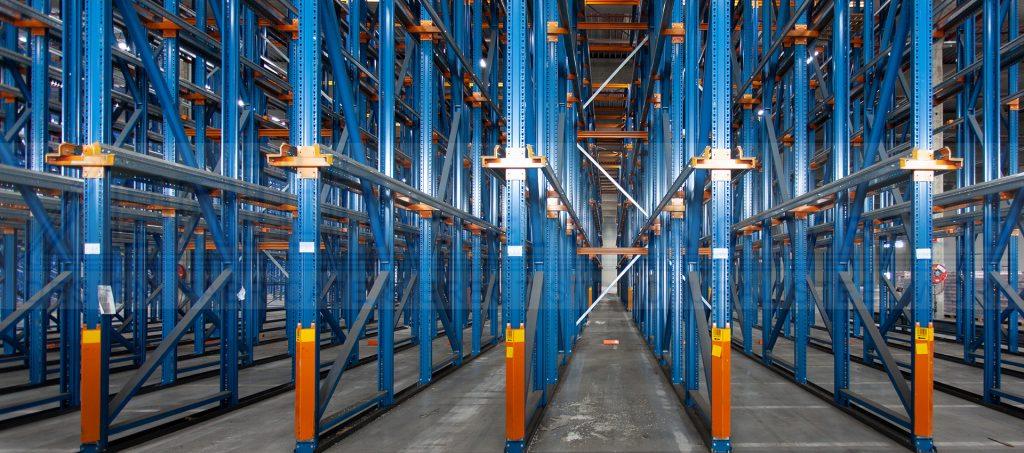
Pallet Racking and Warehouse Fitout for Zimbabwe’s Retail and Distribution Industry

The Future of Warehouse Efficiency in Zimbabwe Starts with Smarter Storage

Zimbabwe’s retail, FMCG, and distribution sectors are entering a new phase of operational rebuilding. As supply chains stabilize and businesses expand their inventory volumes, warehouse performance is becoming a strategic differentiator rather than just a support function.

For distributors, wholesalers, retailers, and third-party logistics providers, the challenge is no longer simply securing warehouse space. The real question is how efficiently that space can be used to improve throughput, protect stock, and support long-term growth.

This is where pallet racking systems in Zimbabwe have become a necessity.

A warehouse without engineered storage infrastructure quickly loses efficiency. Floor stacking consumes valuable vertical capacity, slows picking routes, increases product handling damage, and limits inventory visibility. In contrast, well-designed warehouse storage systems convert the same footprint into a high-performance distribution environment capable of supporting faster dispatch cycles and better SKU management.

Zenith Steel’s Zen Racks are designed specifically for these operational realities, helping businesses across Africa transform underutilized warehouses into scalable logistics assets. From conventional pallet racking to drive-in, cantilever, and push-back systems, the right storage strategy can significantly improve capacity and productivity.

Why Zimbabwe’s Distribution Sector Needs Modern Pallet Racking

Many warehouses across Zimbabwe still rely on floor stacking or improvised shelving. While this may appear cost-effective in the short term, it creates hidden operational costs that scale rapidly as inventory volumes grow.

The most common warehouse inefficiencies include:

  • Poor use of vertical warehouse space
  • Slow pallet access and dispatch
  • Limited SKU visibility
  • Higher product breakage rates
  • Congested forklift movement
  • Difficult stock rotation for FMCG and perishables
  • Reduced scalability during seasonal demand spikes
 

Purpose-built steel pallet racking systems can often double or even triple effective storage capacity within the same warehouse footprint, while enabling safer forklift operations and better inventory control.

Best Pallet Racking Systems for Warehouses in Zimbabwe

The right racking strategy depends on SKU complexity, stock turnover rates, warehouse height, and dispatch flow.

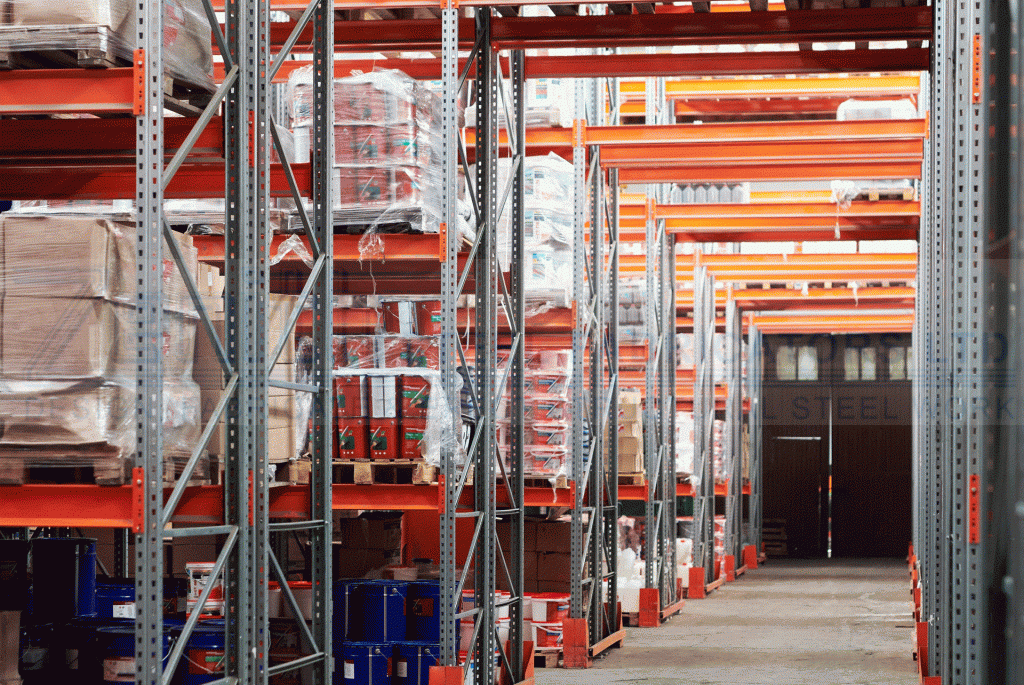
       1) Conventional Pallet Racking for High-SKU Warehouses

This is the most versatile and widely used system for retail distribution centers, pharmaceutical storage, spare parts, and FMCG warehouses.

Conventional-Pallet-Racking

Best for:

  • Direct access to every pallet
  • Fast-moving SKUs
  • FIFO inventory environments
  • Mixed product lines
 

Zenith’s conventional racks are modular, scalable, and support heavy-duty beam loading, making them ideal for evolving warehouse operations.

       2) Drive-In Racking for High-Density Bulk Storage

Where storage density is the priority, drive-in pallet racking maximizes cubic space utilization.
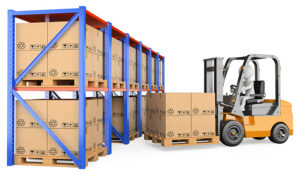
drive-in pallet racking

Best for:

  • Beverage distributors
  • Packaged foods
  • Seasonal inventory
  • Building materials
  • Bulk FMCG stock
 

This system works particularly well for warehouses handling large quantities of the same SKU, where FILO inventory logic improves density.

        3) Cantilever Racking for Long and Irregular Products

For warehouses handling timber, steel sections, PVC pipes, tubes, or fabric rolls, cantilever systems offer superior accessibility and load flexibility.
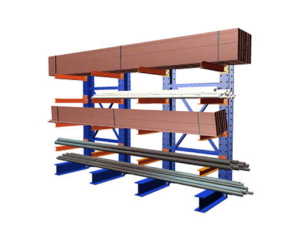
Cantilever Pallet Racking

Best for:

  • Hardware suppliers
  • Industrial distributors
  • Construction material depots
  • Steel merchants
 

Zenith’s cantilever racks are engineered for strength, stability, and flexible arm configurations.
Warehouse Fitout Considerations Before Installing Racks

A high-performing racking system is only as effective as the warehouse environment supporting it. Key technical considerations include:

       a) Floor Slab Capacity

The slab must safely support:

  • Rack point loads
  • Loaded pallets
  • Forklift wheel loads
  • Repeated traffic patterns
 

Skipping slab analysis is one of the most expensive mistakes in warehouse expansion projects.

        b) Clear Height Optimization

Warehouse height directly determines the number of storage levels possible and overall storage ROI.

        c) Lighting Layout

Aisle-based lighting design improves:

  • Picking speed
  • Stock visibility
  • Workplace safety
  • Night shift efficiency
 

        d) Fire Safety Coordination

Sprinklers, smoke detection, and emergency aisle clearances must align with rack geometry and local compliance standards.

        e) Dock-to-Rack Flow Design

Efficient goods movement between receiving docks, staging zones, and pallet locations reduces travel time and labor waste.

What Determines the Cost of Pallet Racking in Zimbabwe?

For SEO and buyer-intent searches, this is one of the most valuable sections.

The total investment depends on:

  • Racking type
  • Number of pallet positions
  • Warehouse height
  • Beam load capacity
  • Protective accessories
  • Decking requirements
  • Slab preparation
  • Transport to Zimbabwe
  • Installation complexity
  • Future expansion allowances
 

Businesses should assess cost per pallet position, not just total project price, to understand long-term ROI.

Common Warehouse Storage Mistakes Businesses Should Avoid

A strategic warehouse fitout must avoid common execution risks:

  • Specifying racks before slab assessment
  • Buying low-cost racks without verified load ratings
  • Underestimating future inventory growth
  • Ignoring forklift turning radii
  • Poor aisle width planning
  • Overlooking fire compliance
  • Failing to align racking with WMS systems
 

These mistakes often create bottlenecks that are more expensive to fix later.

Steel Portal Frame vs Concrete Frame: At a Glance

Both steel and concrete are proven systems for warehouses and industrial buildings. Here is how they compare for logistics and industrial projects in East Africa:

Factor

Steel Frame

Concrete / Alternative Frame

Column-free span

Large clear spans that maximize usable warehouse floor area and improve pallet rack layout flexibility

Shorter spans often require more internal columns, reducing usable storage and forklift movement efficiency

Construction speed

Fast installation with prefabricated components erected quickly on site, reducing project timelines

Slower due to formwork, reinforcement, pouring, and curing cycles

Foundation requirements

Lighter structural weight allows smaller and more cost-effective foundations

Heavier dead load requires larger, deeper, and more expensive foundations

Future expansion

Straightforward to extend by adding extra bays as warehouse demand grows

Difficult and costly to expand once the structure is complete

Floor loading

Same performance since the floor slab design is independent of the structural frame

Same performance when slab is designed to the required forklift and rack loads

Long-term versatility

Easy to modify, repurpose, or reconfigure for changing warehouse layouts and racking systems

More fixed layout, making future changes expensive and disruptive

Why Zenith Steel for Racking in Zimbabwe

Zenith Steel Fabricators supplies the Zen Racks range of pallet racking systems, including selective, drive-in, and cantilever configurations. With delivery across 14 African countries including Zimbabwe, Zenith provides racking solutions backed by nearly five decades of steel fabrication experience.

Contact Zenith Steel to discuss your racking and warehouse fitout requirements in Zimbabwe.

Frequently Asked Questions

        i) Can racking be installed in an existing warehouse?

Yes, provided the floor slab and clear height are adequate. A site assessment is recommended first.

       ii) How many pallets can a typical warehouse hold with racking?

This depends on floor area, clear height, and racking type. Racking typically doubles or triples capacity compared to floor stacking.

      iii) Does Zenith deliver to Zimbabwe?

Yes. Transport logistics are managed as part of the project.

      iv) Does Zenith Steel design both the warehouse structure and the internal racking layout?

Yes. Zenith delivers both the steel warehouse structure and the Zen Racks pallet racking system as an integrated package, ensuring the building dimensions, floor slab specification, and racking layout are coordinated from the outset. This eliminates the coordination problems that arise when the warehouse builder and racking supplier work from separate specifications.

       v) What floor slab specification does a warehouse need to support pallet racking?

The floor slab must be engineered to carry the concentrated loads of loaded racking uprights and the dynamic loads of forklift traffic. The exact specification depends on the racking type, load per position, and forklift wheel loads. Zenith’s engineering team provides the floor loading requirements as part of the warehouse design process.

Leave a Reply

Your email address will not be published. Required fields are marked *