

Cow Barns and Agricultural Steel Sheds for Rwanda’s Farming Sector
From Subsistence to Structured Growth
Rwanda’s livestock sector is undergoing a structural shift, from small-scale subsistence farming to commercially driven, efficiency-focused operations. Programmes like the Girinka initiative have catalyzed dairy production, but infrastructure remains the defining constraint between average and high-performing farms.
For farmers and cooperatives aiming to scale, the question is no longer whether to invest in livestock housing, but how to build for durability, productivity, and long-term returns. This is where steel cow barns and steel poultry sheds, such as those engineered by Zenith Steel Fabricators, provide a clear competitive advantage.
The opportunity can be framed across three dimensions:
- Productivity uplift (milk yield, animal health, operational efficiency)
- Cost optimization (lifecycle savings vs upfront costs)
- Scalability (ability to expand with market demand)
Rwanda’s Agricultural Modernization: Why Infrastructure Matters
Rwanda’s policy direction is clear: professionalize agriculture, strengthen cooperatives, and increase output quality. Dairy farming, in particular, is becoming more organized, with structured milk collection systems and growing regional demand.

However, infrastructure gaps persist. Many farmers still rely on timber or semi-permanent structures that:
- Limit ventilation and animal comfort
- Require frequent repairs
- Constrain herd expansion
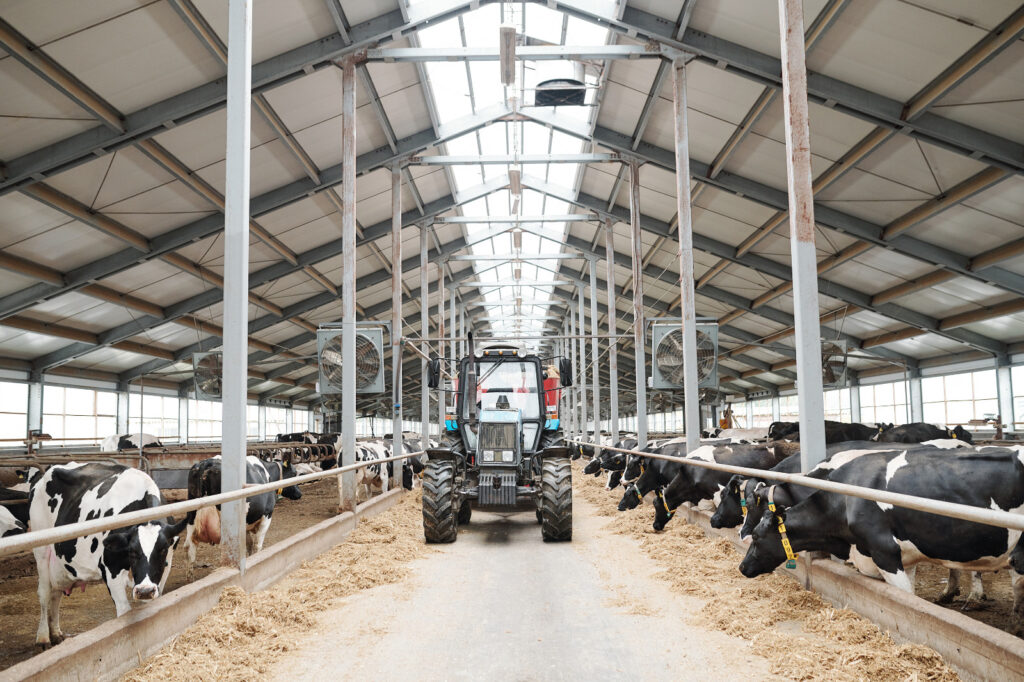
Top-performing farms consistently invest in permanent, well-designed livestock housing. The cow barn is not just a shelter, it is a productivity engine.
Why Steel Outperforms Traditional Materials
1. Durability in Rwanda’s Climate
Steel structures outperform timber in environments with heavy rainfall and intense sunlight. Unlike wood, steel:
- Does not rot or warp
- Is resistant to termites
- Maintains structural integrity for decades

For farmers, this translates into lower maintenance costs and predictable long-term performance.
2. Ventilation as a Productivity Driver
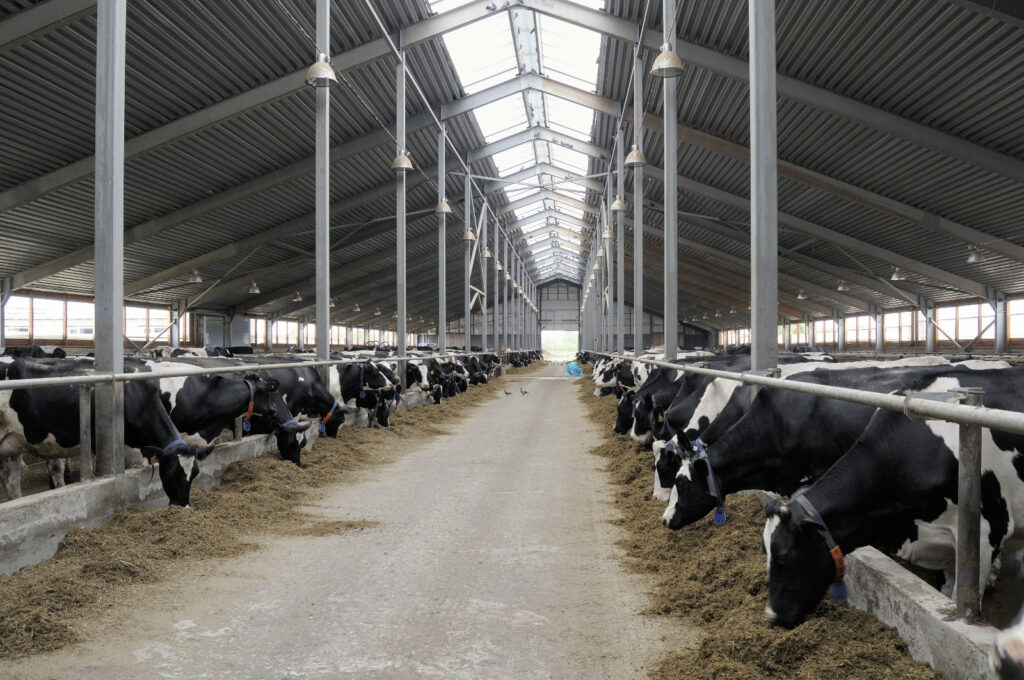
Poor ventilation is one of the most overlooked constraints in livestock farming. Steel barns allow:
- Open-sided designs
- Ridge ventilation systems
- Wide clear spans without obstructive columns
Better airflow reduces heat stress, lowers ammonia levels, and improves milk yield and animal health.
3. Speed to Value
Steel buildings are prefabricated and assembled on-site, reducing construction timelines significantly.
- Faster completion → quicker livestock housing
- Reduced labour costs
- Minimal disruption to farm operations
4. Built for Growth
Steel structures are modular by design. Farmers can:
- Add additional bays as herd size increases
- Reconfigure layouts for efficiency
- Integrate new technologies (automated feeding, milking systems)
Steel enables phased investment rather than one-time capital strain.
Design Principles for High-Performance Cow Barns
A high-performing livestock building is engineered. Key considerations include:
1. Herd Size and Future Expansion
Design for projected growth, not current capacity. Undersized barns quickly lead to overcrowding and reduced productivity.
2. Functional Layout Optimization
Separate zones for:
- Feeding
- Resting
- Milking
- Waste management
This improves workflow efficiency and reduces disease transmission.
3. Climate-Responsive Ventilation
- Open-sided structures for warmer regions
- Partially enclosed designs for cooler highlands
4. Drainage and Hygiene Systems
Poor drainage is a leading cause of disease outbreaks. Effective designs incorporate:
- Sloped floors
- Waste channels
- Easy cleaning systems
5. Integrated Water and Feed Systems
Efficient farms integrate:
- Drinking stations within reach
- Adjacent feed storage or silage bays
Poultry Sheds: Scaling Rwanda’s Fastest-Growing Segment
The poultry sector is expanding rapidly, driven by urban demand for eggs and meat. Steel poultry sheds offer:
- Controlled ventilation through adjustable curtain walls
- Improved biosecurity compared to timber structures
- Compatibility with automation (feeding, watering systems)
Higher stocking efficiency, lower mortality rates, and better yield consistency.
Cost Analysis: Beyond Initial Investment
Farmers often focus on upfront construction costs, but the smarter metric is total cost of ownership.
Key cost drivers include:
- Building size and structural span
- Floor type (concrete slab, compacted earth, or slotted floors)
- Accessories (curtain walls, feeding systems, drainage)
- Transport and installation of the structures
While steel may have a higher initial cost than timber, it delivers significantly lower lifetime costs due to durability and minimal maintenance.
Common Mistakes
- Building too small for the planned herd – overcrowding reduces productivity
- Neglecting ventilation in the design
- Poor drainage planning – leads to hygiene problems and disease
- Using low-quality materials that corrode quickly
- Not consulting an experienced agricultural building fabricator
Pro Tips
- Invest in proper drainage from the outset – it is much harder to fix after construction
- Plan for expansion so additional bays can be added without disrupting existing operations
- Work with a fabricator who understands livestock housing, not just general construction
- Consider the building’s orientation relative to prevailing winds for optimal ventilation
Why Zenith Steel for Farm Buildings in Rwanda
Zenith Steel Fabricators operates a branch in Kigali and fabricates agricultural buildings including cow barns, poultry sheds, and multi-purpose sheds from their main facility in Nairobi. With nearly five decades of experience and an annual capacity of 40,000 metric tonnes, Zenith delivers livestock housing designed for East African farming conditions.
Contact Zenith Steel’s Kigali office to discuss your farm building project in Rwanda.
Frequently Asked Questions
i) How long does a steel cow barn take to build in Rwanda?
Project timelines depend on the scope, size, and site conditions of your project. Our engineering team will provide a detailed schedule during the planning phase. Project timelines are confirmed by our engineering team based on project scope, site conditions, and location. Contact Zenith Steel to discuss your project.
ii) Can steel buildings withstand Rwanda’s heavy rains?
Yes. Steel structures are engineered for Rwanda’s high-rainfall conditions. Proper gutter and drainage systems ensure water is managed effectively, keeping the structural frame protected from moisture damage.
iii) Does Zenith deliver to rural areas in Rwanda?
Yes. Zenith Steel serves Rwanda. Transport costs to rural locations are included in the project quotation.
iv) What size cow barn do I need?
Dairy cattle require adequate space per head as recommended by livestock housing guidelines. An experienced fabricator can help determine the optimal size based on your herd, management system, and growth plans.
v) Does Zenith Steel design the barn layout, or do we need to provide plans?
Zenith Steel’s engineering team handles the full design process, from site assessment to structural drawings. Farmers and investors provide their operational requirements – herd size, functional zones, site access – and Zenith’s team develops a building solution around them.
vi) Can a steel barn be built in phases as the farm grows?
Yes. One of the key advantages of steel construction is that additional bays can be added to the existing structure as the herd expands, provided the original design allows for future extension. Planning for phased growth from day one keeps future expansion costs low.
