

Pre-Engineered Buildings in Zimbabwe

Quick Answer: Pre-engineered buildings (PEBs) in Zimbabwe cover tobacco processing, platinum-belt workshops, lithium facilities and commercial agriculture. Zenith Steel ships into Zimbabwe via Beitbridge or Mutare corridors.

Zimbabwe’s industrial recovery is reshaping demand for modern construction solutions. From mining expansions and agricultural processing to logistics growth and manufacturing reinvestment, one trend is becoming increasingly clear: businesses need operational space that can be delivered faster, scale efficiently, and maintain cost certainty.

Traditional construction methods often struggle to meet these pressures. Longer build timelines, fluctuating material costs, and project delays can slow investment momentum. As a result, pre-engineered buildings (PEBs) in Zimbabwe are emerging as a strategic solution for companies seeking rapid infrastructure deployment without compromising structural performance.

For industries where downtime translates directly into lost production, steel-built, factory-engineered facilities are becoming essential assets rather than optional alternatives.

At Zenith Steel Fabricators, we design, fabricate, ship, and support the erection of pre-engineered steel buildings for Zimbabwe, supplying projects through established logistics corridors including Beitbridge and Mutare.

The Zimbabwean Sectors Driving PEB Demand

Zimbabwe’s economic activity is increasingly concentrated in sectors that require durable, scalable industrial infrastructure. The demand profile for pre-engineered buildings reflects this shift.


  • Tobacco processing and bulk storage –  Zimbabwe remains one of Africa’s leading tobacco producers, with key production and processing zones across Mvurwi, Karoi, and Harare auction floors driving seasonal infrastructure requirements.

    Tobacco operations demand facilities that can balance storage capacity, moisture management, and operational efficiency.
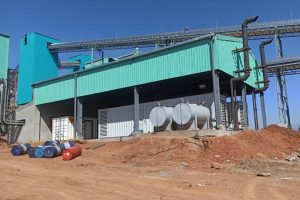
Machine Shed by zenith steel

          PEB requirements include:

  • 1,500 – 4,000 m² processing and storage facilities
  • Insulated wall and roof systems for humidity and temperature management
  • Large-span layouts supporting high-volume bulk handling
  • Rapid construction schedules aligned with harvest and auction cycles
 

For processors and exporters, delayed facility delivery can disrupt seasonal operations. Pre-engineered buildings provide a practical route to commissioning usable space within compressed project timelines.

  • Platinum-belt mining workshops – Mining remains a major driver of industrial construction demand in Zimbabwe, particularly across the Mhondoro-Ngezi and Selous platinum belt.

    Mining operators require infrastructure that supports heavy equipment servicing, mechanical operations, and production continuity. This creates strong demand for heavy-duty steel workshop buildings capable of accommodating high operational loads.

          Common project specifications include:


    • 800–2,500 m² workshop facilities
    • Integrated crane runway systems
    • High-clearance bays for mining equipment servicing
    • Durable steel framing designed for industrial wear conditions
 
  • Lithium mining facilities – Zimbabwe’s growing role in the global lithium supply chain is creating a new wave of industrial infrastructure investment.

    Regions including Goromonzi and Bikita are seeing rising demand for:

    • Processing sheds
    • Equipment maintenance buildings
    • Bulk storage warehouses
    • Site operational support facilities
     

    Project sizes can extend up to 5,000 m², depending on processing capacity and logistics requirements.

  • Commercial agriculture revival –  Agricultural modernization across Mashonaland Central and surrounding farming regions continues to drive demand for resilient, adaptable steel infrastructure.

    Commercial agricultural operations require facilities that protect assets, streamline workflows, and support year-round productivity.

     Key applications include:

    • Grain storage facilities
    • Agricultural equipment sheds
    • Fertiliser and input warehouses
    • Packhouses and processing units
     

    Pre-engineered steel buildings allow agricultural operators to expand infrastructure in line with production growth while maintaining cost visibility.

Zimbabwe PEB Engineering Considerations

While Zimbabwe offers relatively favourable structural design conditions, including low seismic activity, moderate wind exposure, and plateau-based terrain, successful PEB deployment still requires engineering adaptation to local environmental realities.

One of the most important considerations is high year-round UV exposure, which can significantly affect material longevity without appropriate protective systems. Zenith Steel incorporates Zimbabwe-specific engineering considerations into its PEB specifications, including:

  • Hot-dip galvanised steel protection
  • High-Performance Roofing Systems
  • Insulated wall panels rated for thermal mass against the high diurnal temperature 
  • Precision-fabricated bolted connections, engineered to support streamlined installation practices and reliable site assembly
 

Compared with conventional construction, PEB systems offer:

  • Faster project delivery timelines
  • Reduced material waste
  • Scalable expansion capability
  • High-strength steel performance
  • Greater budget certainty
 

As Zimbabwe continues rebuilding industrial capacity, steel-engineered infrastructure will play a growing role in enabling productive, investment-ready facilities.

Conclusion

The demand for pre-engineered buildings in Zimbabwe is being driven by sectors that cannot afford construction delays, mining, tobacco processing, agriculture, and emerging lithium operations. Zenith Steel Fabricators supplies engineered steel building solutions tailored for Zimbabwean operating environments, from warehouses and workshops to processing facilities and industrial storage buildings, delivered through established regional logistics channels and backed by engineering expertise built around African industrial conditions.

For faster, smarter, and stronger buildings, contact Zenith Steel Fabricators Ltd to get an efficient Pre-Engineered Building fabricated to your needs.

Frequently Asked Questions

 i) What is the lead-time to a Harare site?

10-14 weeks ex-Nairobi via Beitbridge.

ii) Are PEB designs accepted by Zimbabwe’s building authorities?

Yes – Zenith provides stamped engineering drawings to local code.

iii) Insulation options for tobacco processing humidity control?

Insulated PIR panels rated to 100 mm with vapour barrier – standard for tobacco facilities.


Related Articles

Leave a Reply

Your email address will not be published. Required fields are marked *